
DBS Brain–Computer Interface: A More Precise Approach for a Brain Disease Reshaped by Addiction
Opioid addiction is not a moral failing or a simple lack of willpower. It is a chronic, relapsing brain disorder that affects physical health, mental wellbeing, families and society.
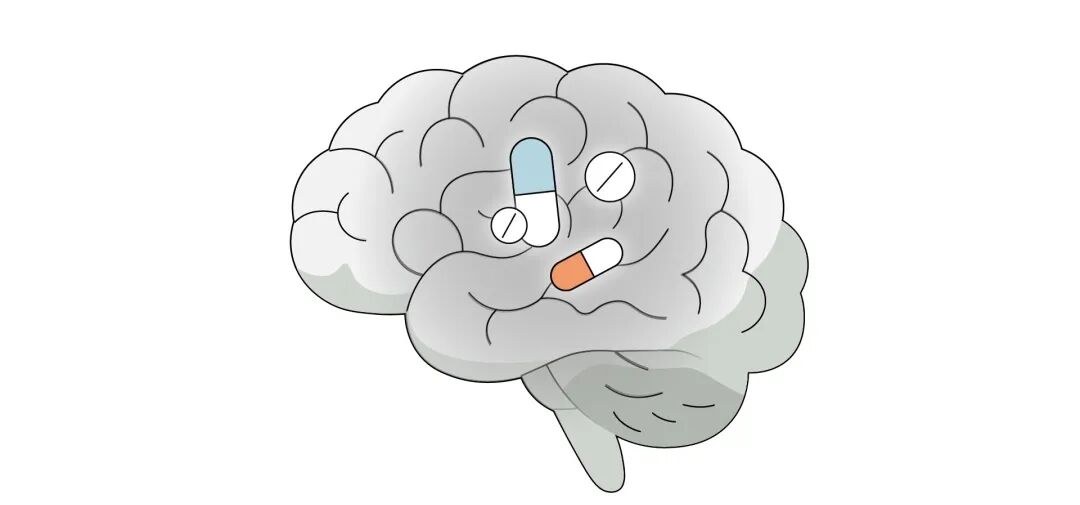
Why addiction can be so difficult to leave behind
From a neurobiological perspective, addiction involves a “hijacking” of the brain’s reward system. Repeated exposure to opioids can trigger large dopamine signals and powerful reward memories. Over time, ordinary life loses its reward value while impulse control and emotional regulation are impaired.
When use stops, a person may experience severe negative emotions and physical withdrawal. Drug-associated people, places and sensory cues can also become tightly linked to memories of relief, so even after detoxification, encountering those cues may trigger intense craving and relapse.
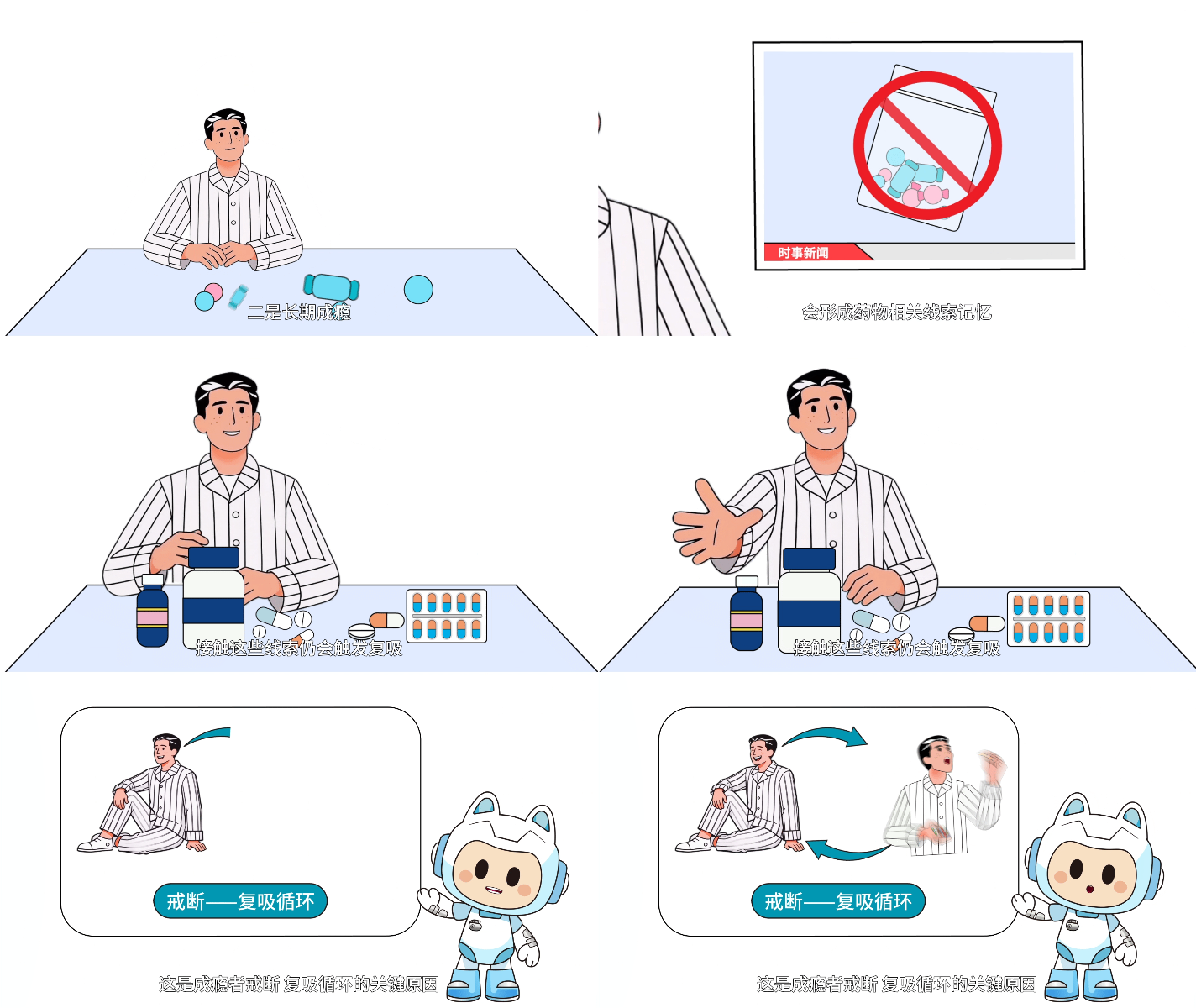
Because this challenge involves deep neural circuits, clinical research continues to explore whether more precise circuit-based interventions may help alongside comprehensive care.
Exploring a systematic DBS pathway
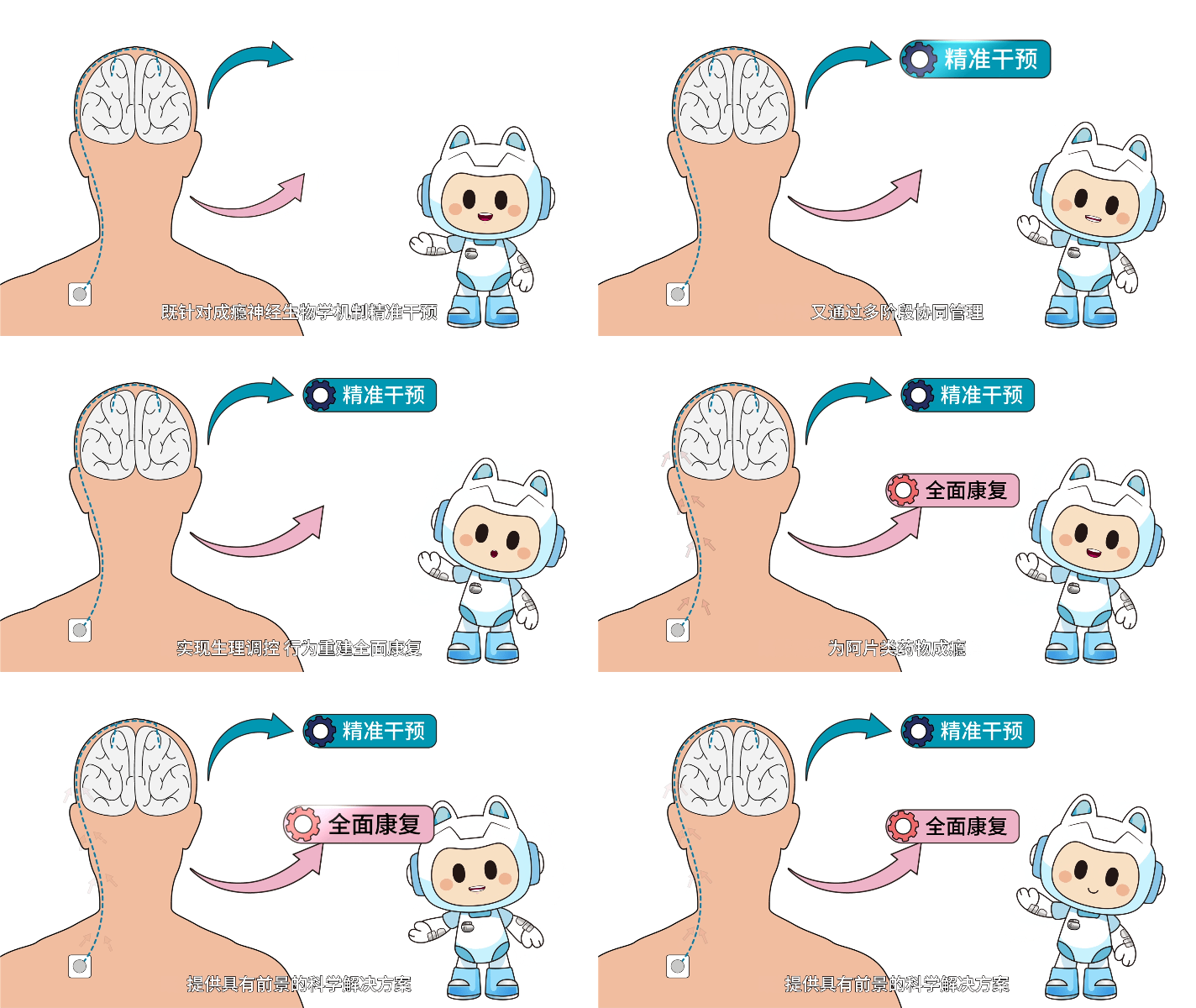
The source article describes a dual-target DBS brain–computer interface pathway that links preoperative detoxification, implantation, postoperative programming and rehabilitation management. It aims to combine neural-circuit modulation with continuous support for craving, cue exposure and behavioural control.

Six observations described in the article
- Relief of withdrawal symptoms;
- Gradual resolution of acute protracted physical symptoms;
- Reduced intensity and frequency of persistent craving;
- Improved emotional regulation and social function;
- Greater control when facing drug-related cues;
- Continued exploration of long-term recovery and device management.
These observations are presented in the source article’s account of systematic treatment. Clinical results may differ substantially according to illness history, prior treatment, co-occurring conditions and the support environment.
Four stages described in the pathway
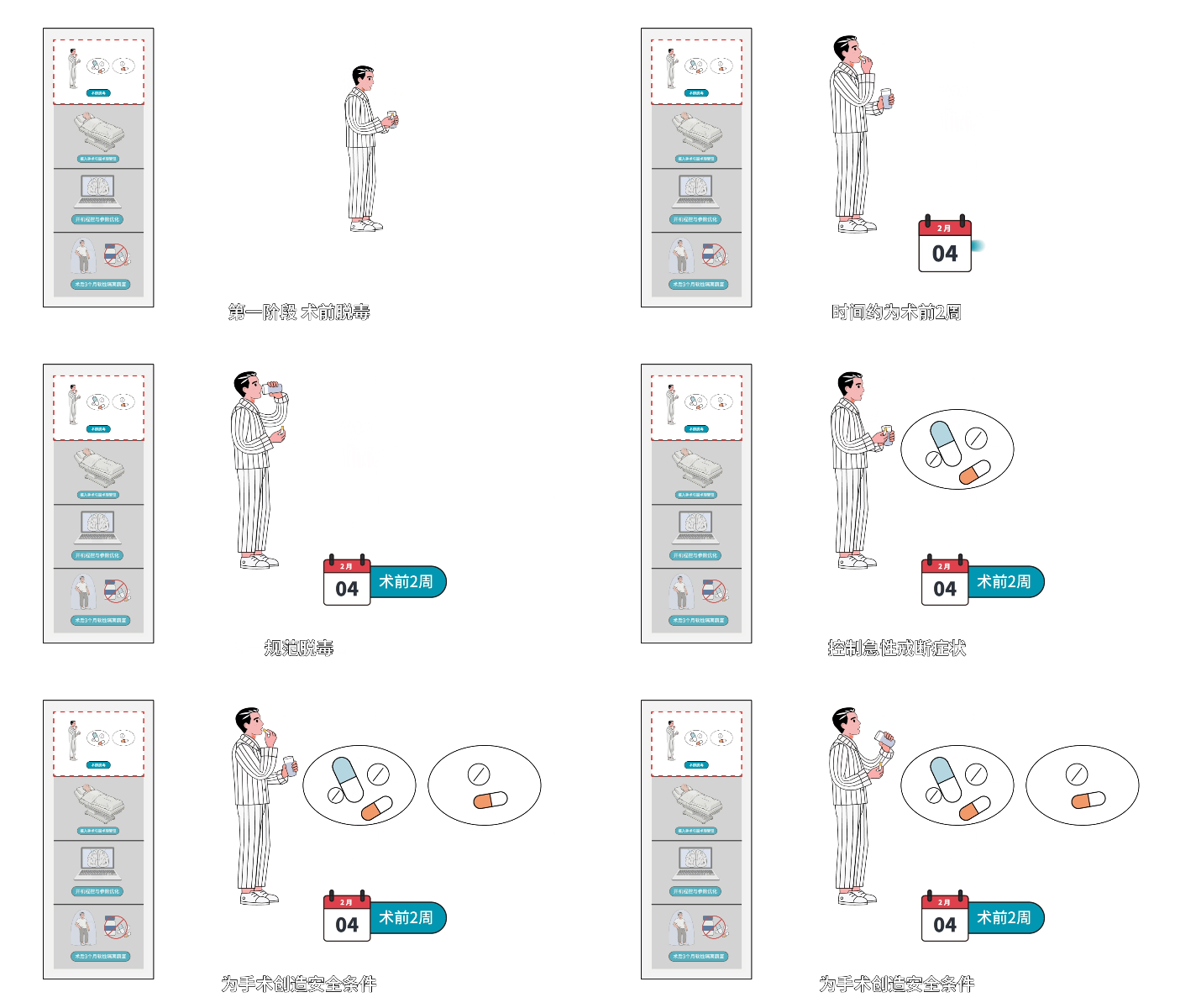
Preoperative detoxification: approximately two weeks of structured detoxification and management of acute withdrawal symptoms.
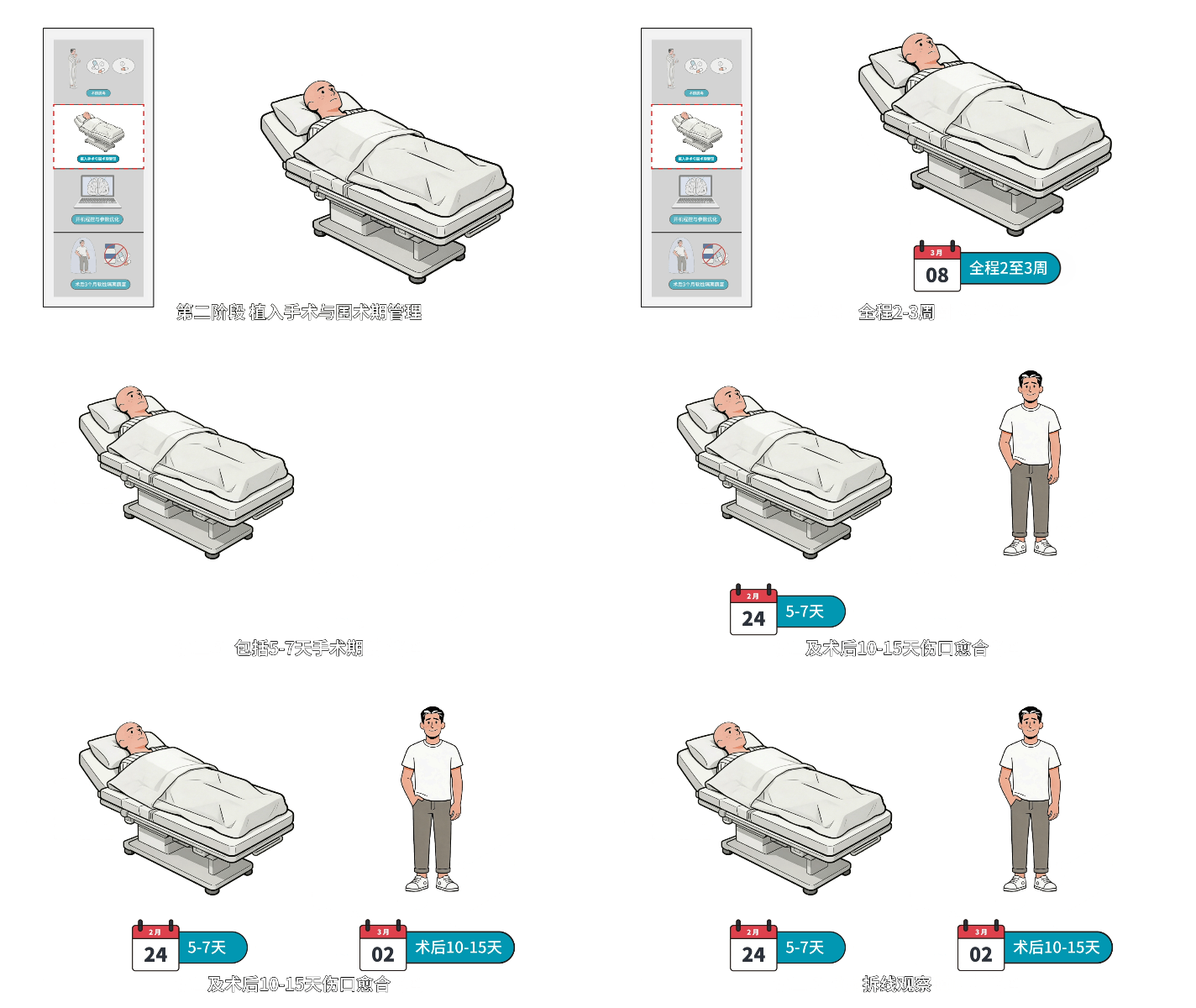
Implantation and perioperative management: typically two to three weeks, including postoperative admission and wound observation.
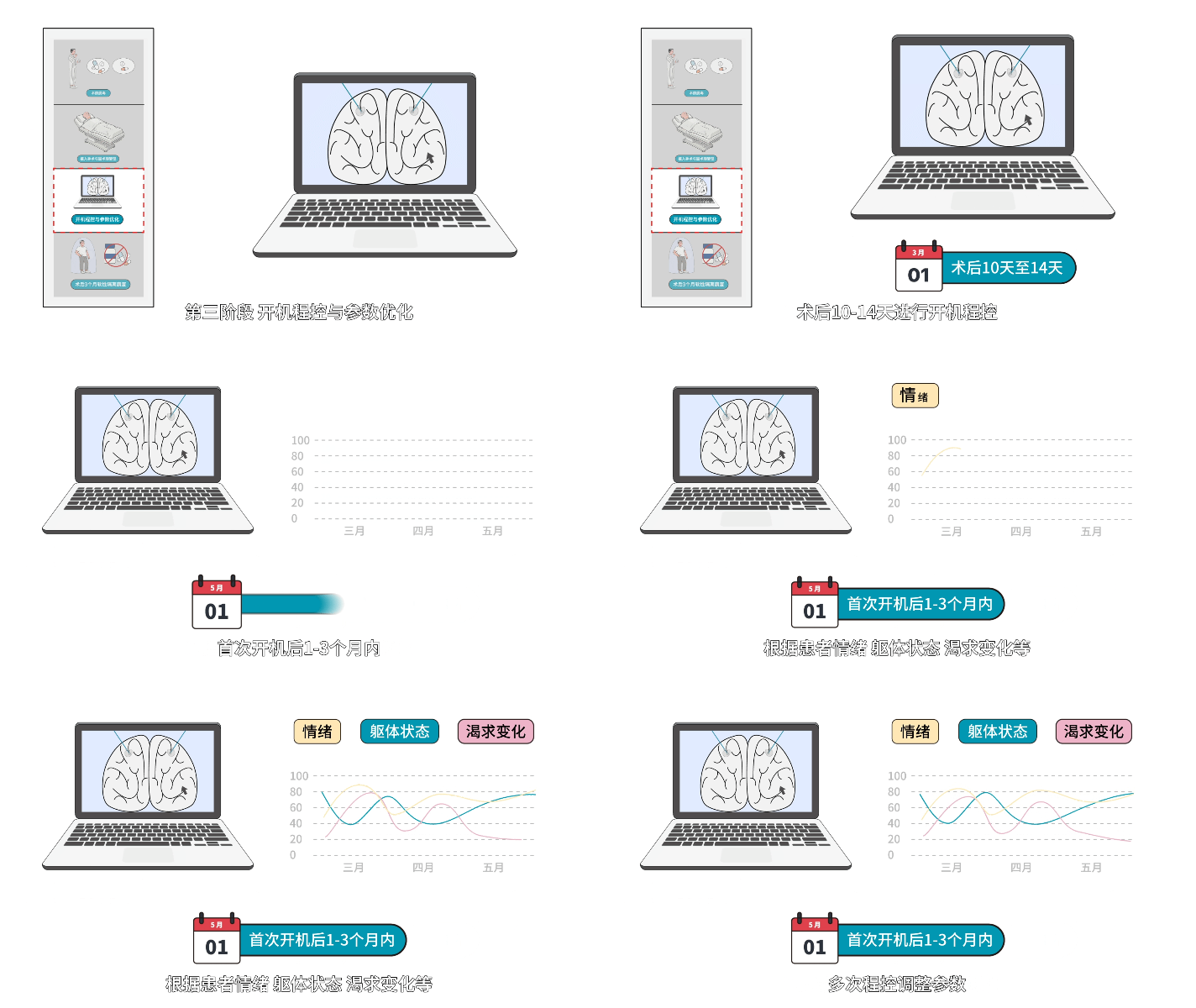
Activation and programming: beginning around 10–14 days after surgery, with parameter adjustment and longer-term follow-up.
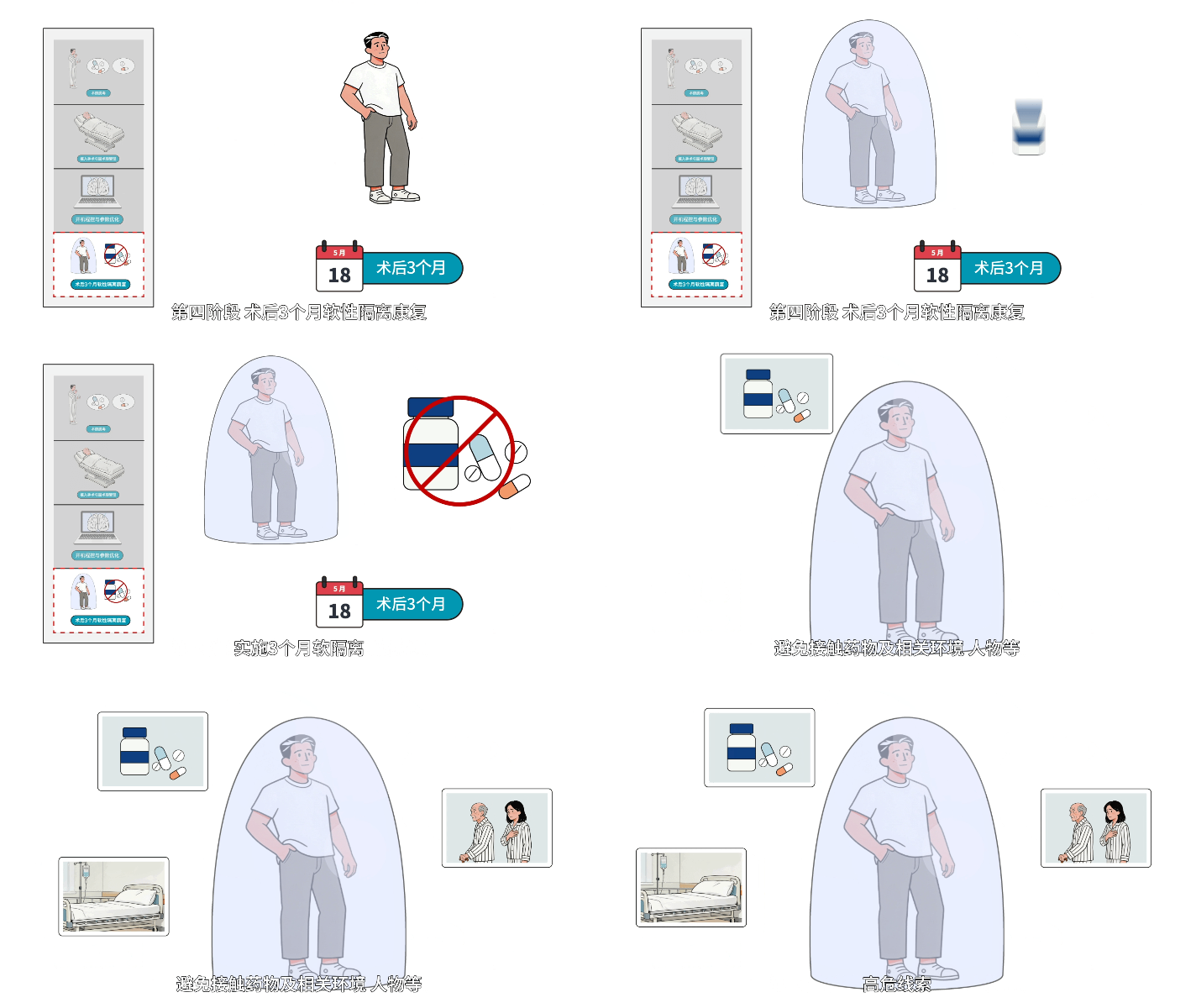
Supported rehabilitation: approximately three months focused on reducing exposure to high-risk cues and rebuilding daily behavioural control.
For people living with severe addiction, careful assessment, continuous care and family support remain essential. Research in this area continues to develop, and options should be discussed in the appropriate clinical context.
This article is adapted from the supplied manuscript for health education. Its observations and pathway should be understood in their specific clinical context and do not constitute individual medical advice.