
Why Was This Chinese Company Invited to Speak at the International Addiction Medicine Congress?
Source: VBEF / 动脉网, 2 October 2026. Reproduced and translated with permission. By Ji Jiaying 30 September, Rotterdam, the Netherlands. […]

Source: VBEF / 动脉网, 2 October 2026. Reproduced and translated with permission. By Ji Jiaying 30 September, Rotterdam, the Netherlands. […]

Some families assume that implantation surgery means the problem is completely solved. Surgery is only one step within a broader care process. Long-term recovery depends on structured rehabilitation, adherence to follow-up and the support of family and trusted people.
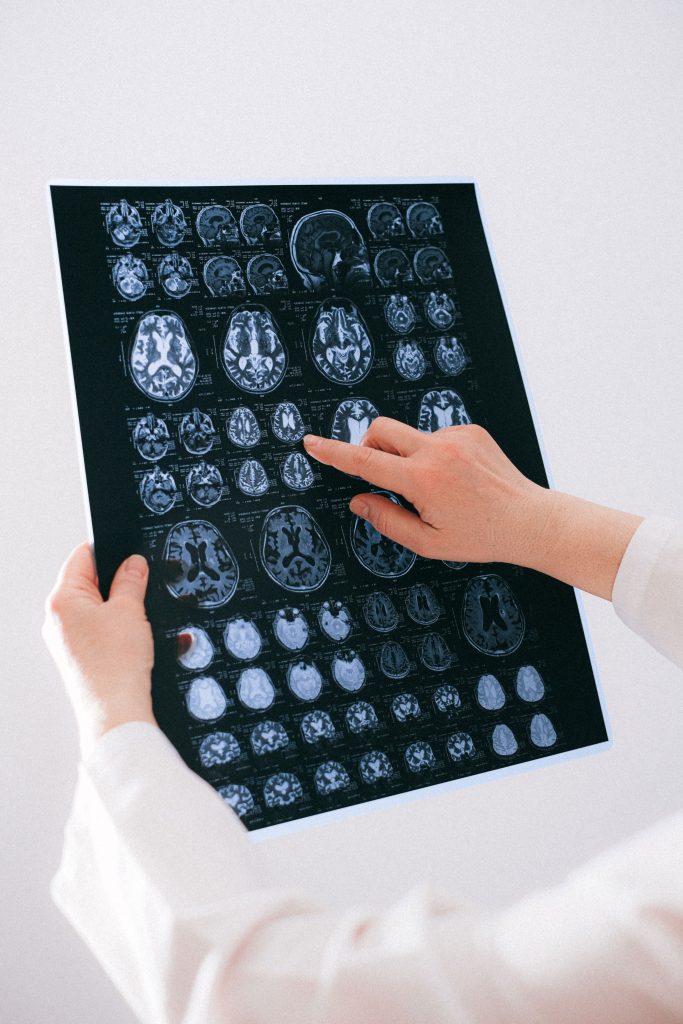
Families often ask immediately whether their loved one can receive DBS. DBS is an emerging approach for severe, treatment-refractory addiction and requires careful clinical consideration; it is not appropriate for every person with addiction. Initial review may help clarify the situation, but the final decision depends on comprehensive specialist assessment.

Traditional approaches often help people through physical withdrawal and may include psychological support. Yet families often remain concerned about persistent craving and the learned patterns that can contribute to repeated return to use. This is one reason researchers are exploring brain-computer-interface and deep brain stimulation (DBS) approaches.
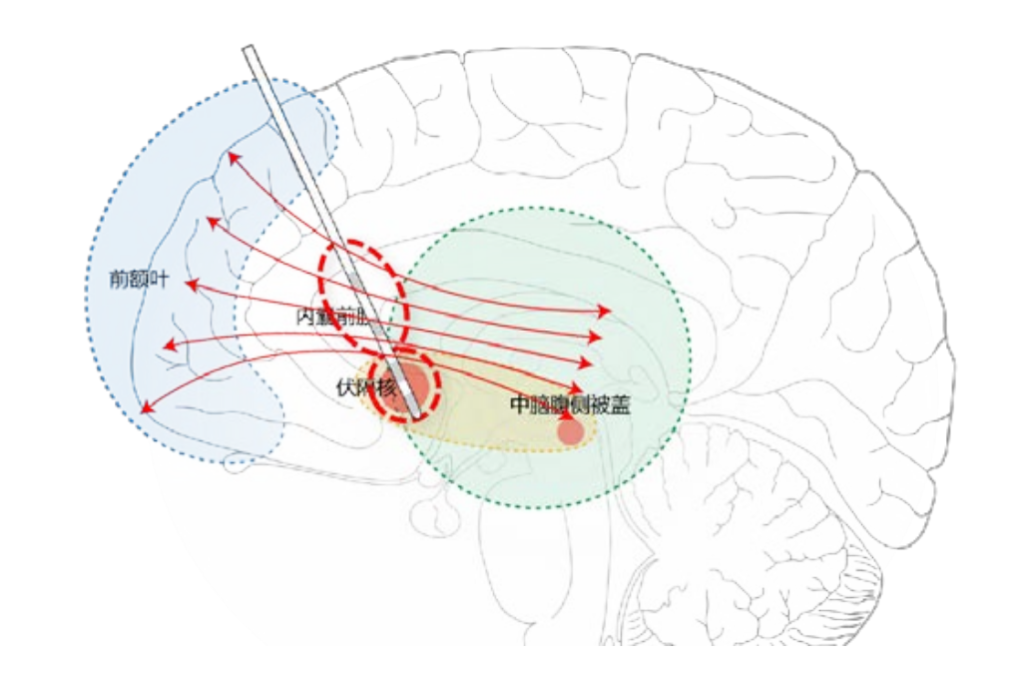
When people hear “drug addiction,” many immediately think the person lacks self-control or has poor character, and that determination alone should be enough to stop. Modern medicine has long reached a clear conclusion: drug addiction is not a matter of willpower or morality. It is a chronic, relapsing brain condition, medically described as drug dependence or substance-use disorder. Compulsive drug-seeking reflects a loss of control in the brain; it is not deliberate self-destruction. Both patients and families need to make this shift in understanding.
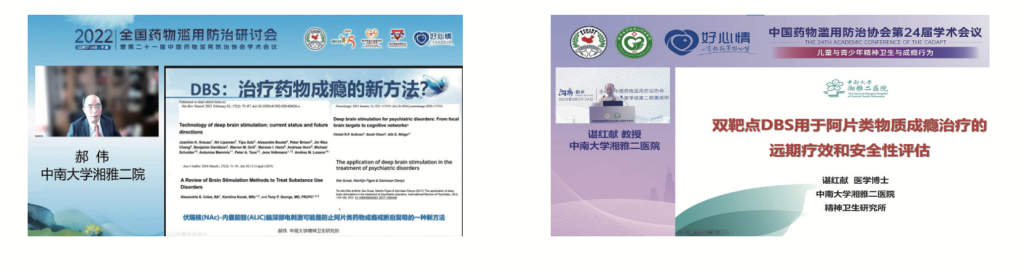
BCI DBS for drug addiction is presented in the supplied manuscript as an original advance in Chinese brain science. This
脑机接口 DBS 成瘾治疗的产业转化与行业应用进展 脑机接口 DBS 治疗药物成瘾是中国脑科学领域的原创性突破。本文梳理该技术从研发、临床试验到获批上市的全历程,总结其监管认证、学术交流与产业合作进展,呈现中国原创神经调控技术的产业转化路径。 一、企业技术发展历程 景昱医疗 2011 年创立于苏州,聚焦脑科学与植入式神经调控领域,从运动障碍疾病逐步拓展至精神疾病,全球首创脑机接口 DBS 治疗药物成瘾技术,是该领域的领导企业。 (一)产品研发与注册里程碑 技术首创期:全球首创脑机接口双靶点技术,启动单中心临床试验,验证技术可行性; 循证积累期:完成全球首个样本量最大的多中心随机对照注册临床试验,积累高级别循证证据; 获批上市期:2025 年 12 月 15
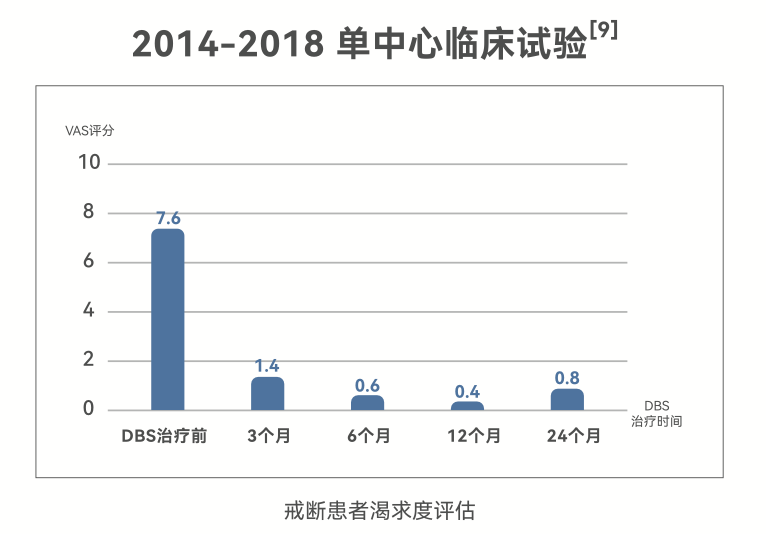
High relapse rates remain a central challenge in addiction treatment. This article reviews abstinence outcomes, craving changes and neuro-safety observations
DBS 治疗难治性阿片类成瘾的长期临床疗效与安全性证据 高复吸率是药物成瘾治疗的核心难题。本文基于单中心临床试验与第三方长期随访数据,系统评价脑机接口双靶点 DBS 治疗难治性阿片类成瘾的戒断率、渴求改善效应与神经安全性,为临床决策提供循证依据。 一、单中心探索性临床试验(2014-2018) (一)研究设计 该研究为开放性单中心试点研究,入组 8 例难治性海洛因依赖患者,采用 NAc+ALIC 双靶点 DBS 植入治疗,开机后随访 24 个月。 判定标准:连续 2 周尿检阳性,或自我报告每周≥2 次药物接触判定为复吸;失访按阳性计。
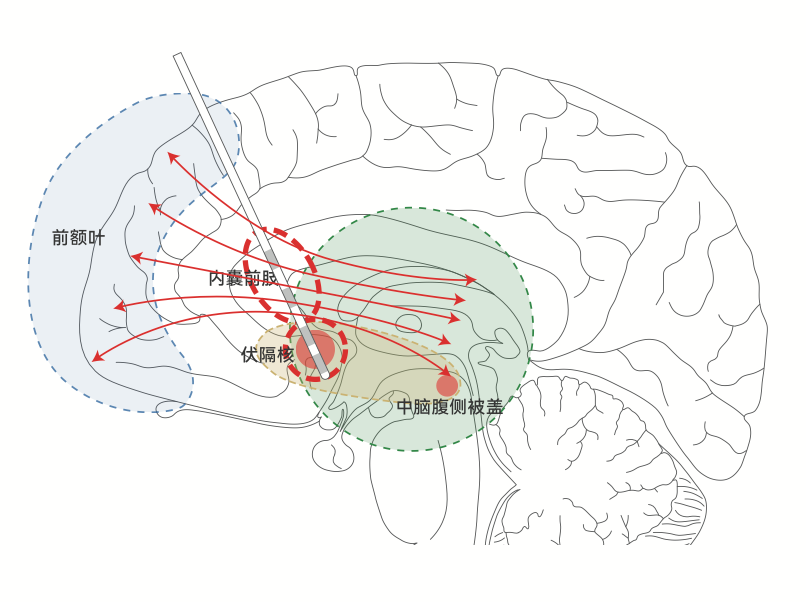
Dual-target brain–computer-interface DBS is an emerging technique for refractory drug addiction. This article explains the neural rationale for combined nucleus