
Switching On the Brain: Can DBS Help People Break Free from Addiction?
From heroin and fentanyl to new synthetic drugs, more than 300 million people worldwide are affected by drug use. Addiction is not simply a matter of weak will; it is a major public-health challenge and a chronic, relapsing brain condition.
When conventional approaches repeatedly fall short for severe addiction, deep brain stimulation (DBS) is moving from the laboratory into carefully supervised clinical exploration.

Could someone whose life has been controlled by drugs for decades return to ordinary life? In Phoenix TV’s X+ programme, a wife describes her husband Lao Jun, who lived with drug addiction for 27 years and later took part in a DBS clinical programme.
Tiny electrodes placed in the brain are not a form of forced abstinence. The programme describes DBS as a form of neuromodulation intended to help restore control over pathological signals.
A path through 27 years of addiction
Lao Jun’s story reflects many families’ experiences. He had tried to stop on his own, attended rehabilitation programmes and received methadone treatment; yet returning to daily life repeatedly brought overwhelming craving. He described feeling that all rational thought was washed away during an episode of addiction.
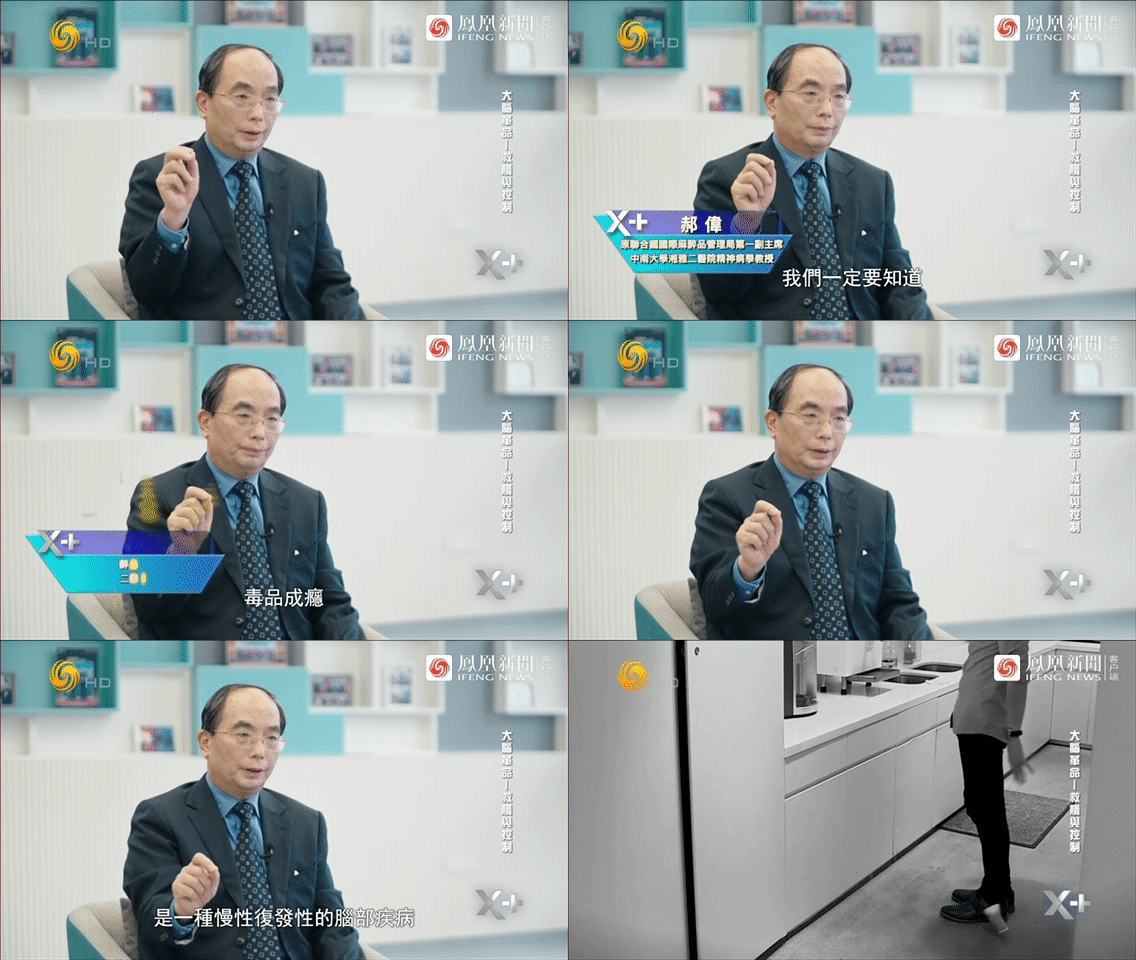
Professor Hao Wei of the Second Xiangya Hospital of Central South University explains in the programme that drug and alcohol addiction are chronic, relapsing brain disorders whose core feature is loss of control—and that people affected need support.
Lao Jun’s wife did not give up. She looked for cases and asked about relapse. The family was initially afraid of surgery, but after learning about DBS and seeing how it is used in Parkinson’s disease, they began to see addiction as a condition that could be approached medically.
DBS has been used in Parkinson’s disease for decades. Its success in modulating motor circuits prompted scientists and clinicians to explore whether it may also modulate reward circuits related to addictive behaviour.
DBS as precise neuromodulation
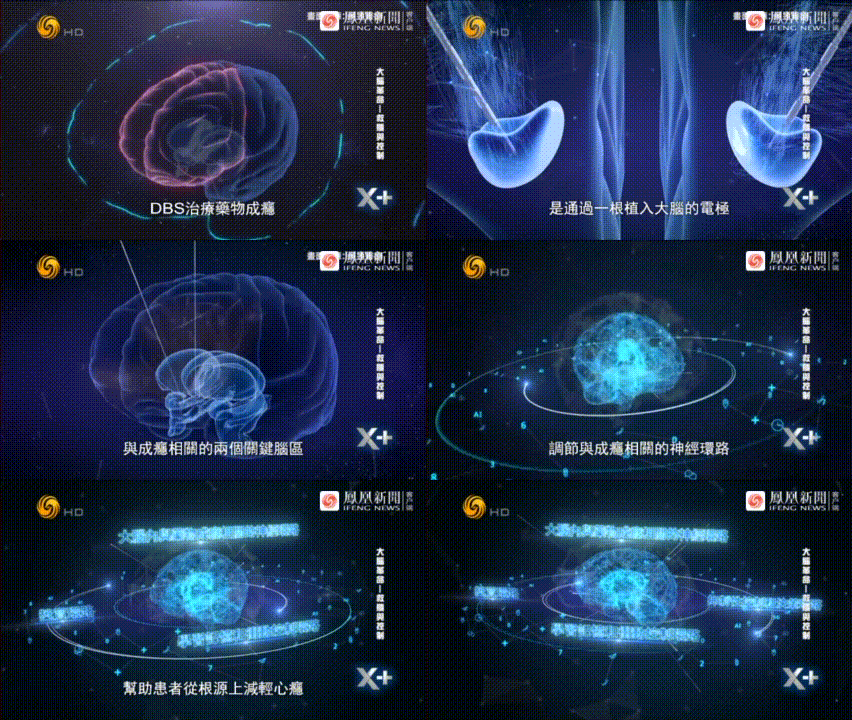
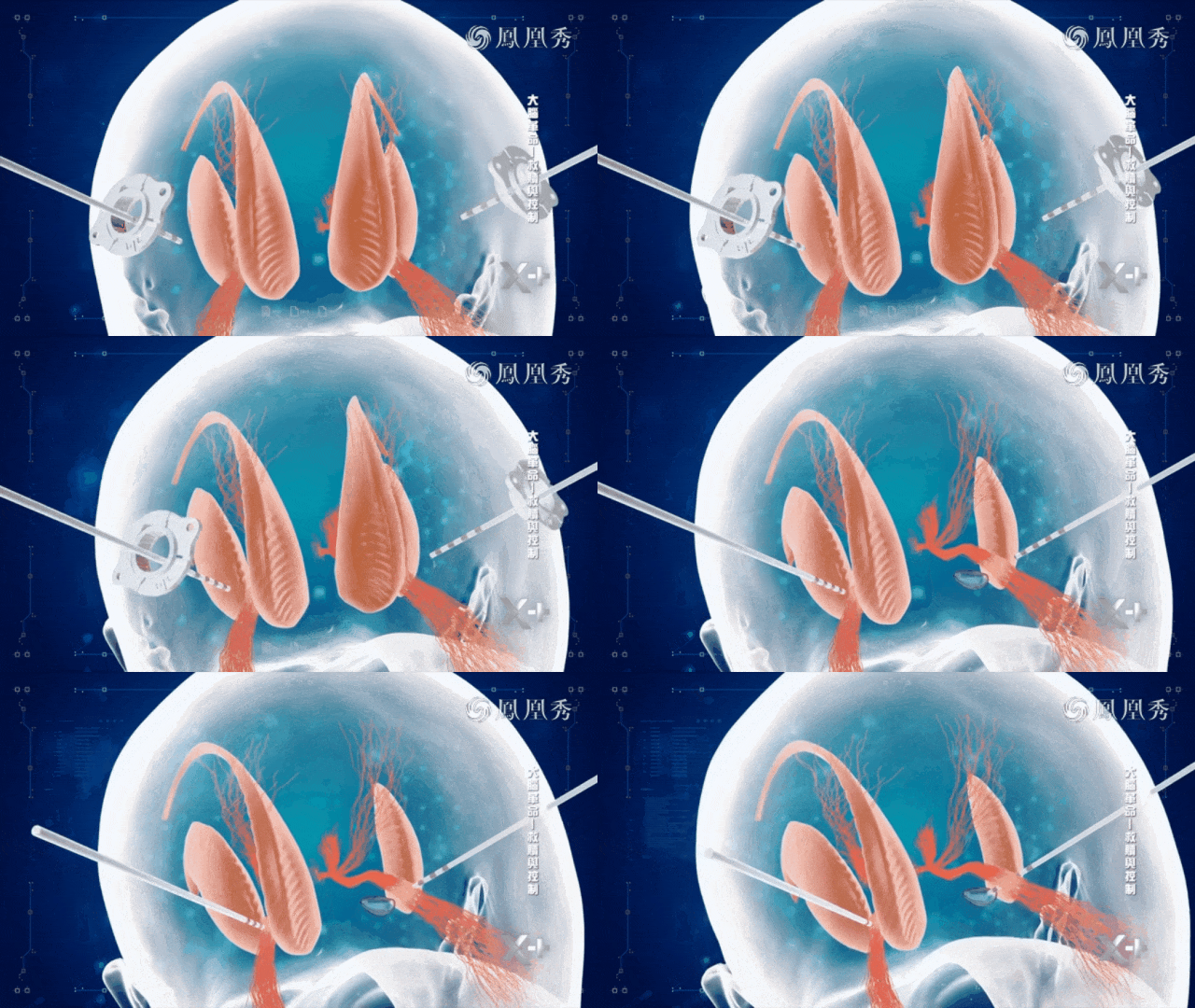
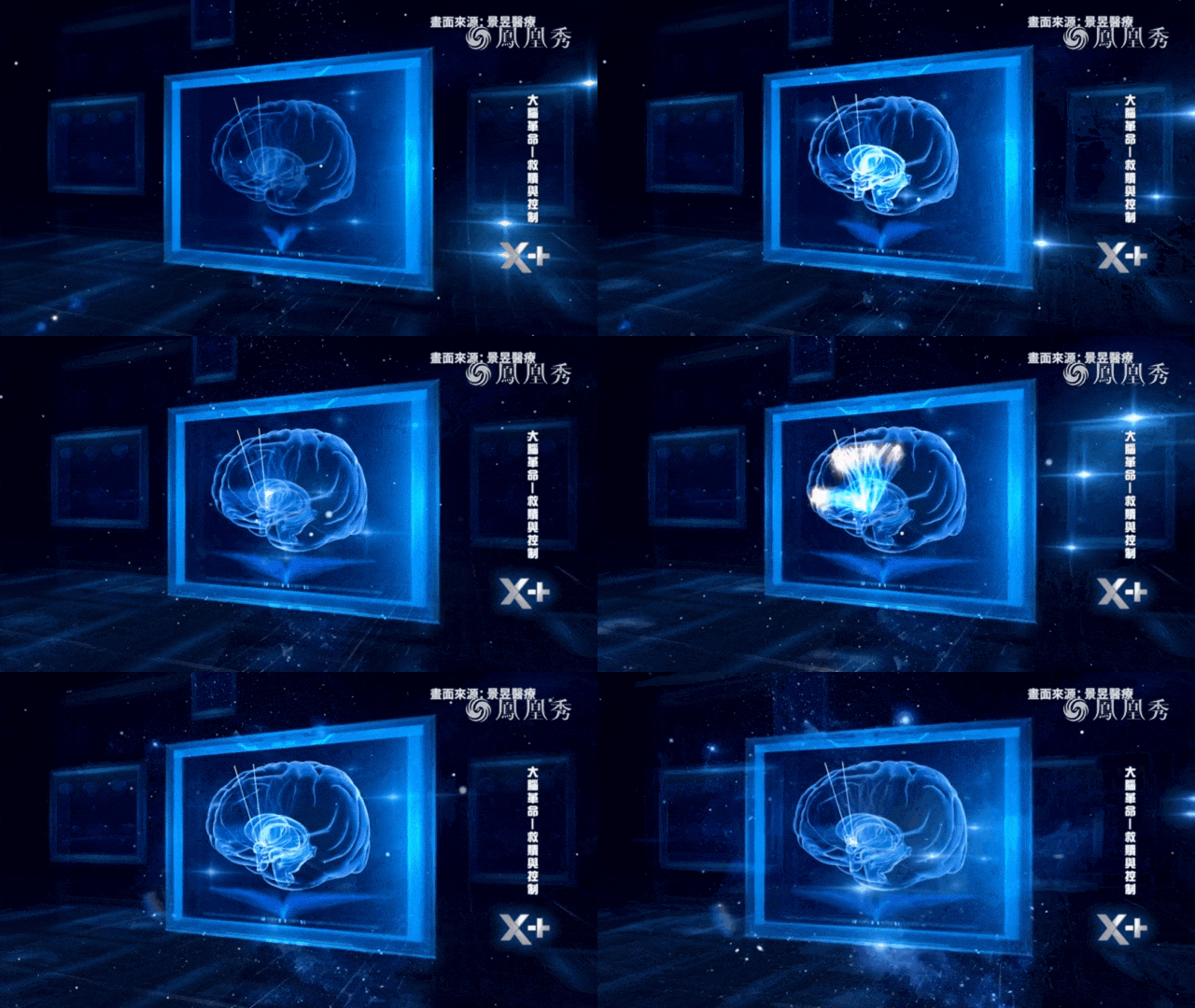
The programme explains that fine electrodes are placed in specific deep brain targets. A pulse generator implanted in the chest sends electrical pulses through leads beneath the skin, with the aim of modulating neural function in the selected area.
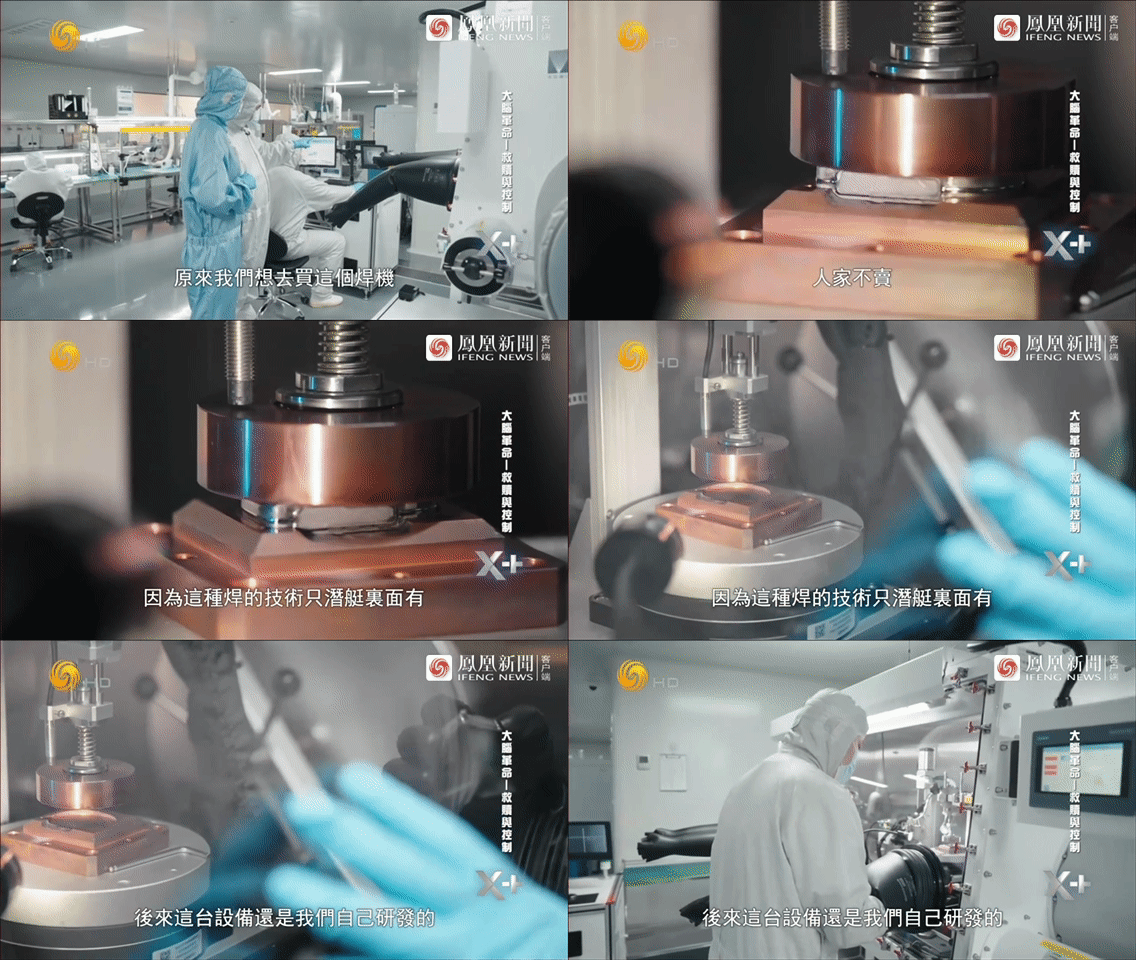
Viewers are also taken into a clean manufacturing environment, where electrodes, extension leads and stimulators are produced. The programme highlights the need for precision, durability and long-term reliability.
It also discusses research into dual-target stimulation. Because addiction involves multiple neural circuits, clinical research continues; suitability, potential benefit and risk must always be assessed by the responsible clinical team.

Exploration beyond addiction
The programme also looks at DBS research for treatment-refractory obsessive-compulsive disorder. Patient stories, clinical observation and visual programming technology are presented as part of an exploration of new directions for difficult-to-treat cases.
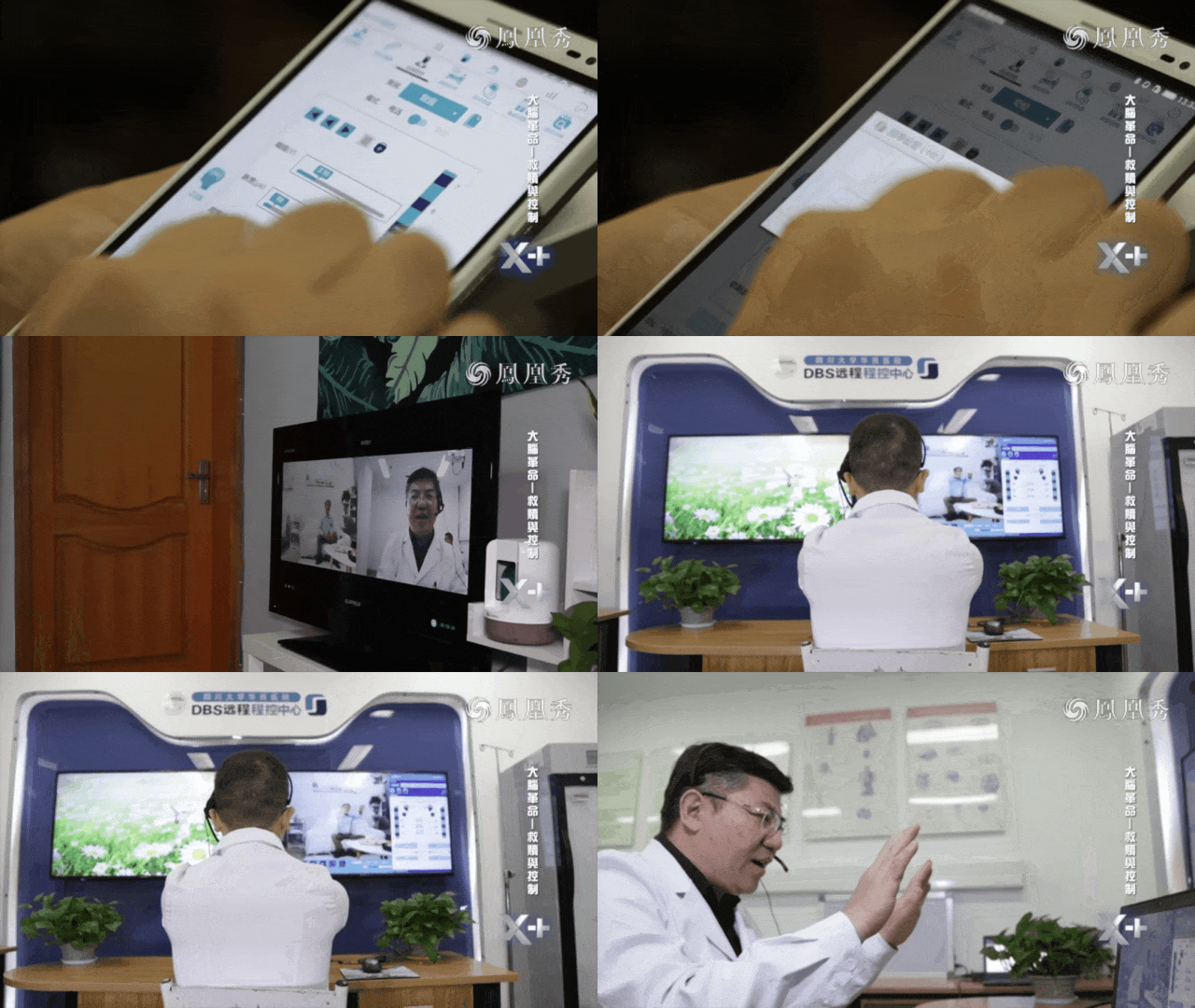
From precise laboratories to lives being rebuilt, the exploration of DBS suggests that one frontier in addiction care may lie deep within neural circuits. Technology is attempting to illuminate a path home for people who have felt lost.
This article is adapted from the Phoenix TV X+ programme for health education.
Original video: View the original video referenced in this article ↗