
Breaking Misconceptions: Drug Addiction Is Not Weak Willpower, but a Chronic Brain Disease Requiring Scientific Treatment
1. Stop Misunderstanding Addiction: It Is Not a Character Problem—It Is an Illness of the Brain
When people hear “drug addiction,” many immediately think the person lacks self-control or has poor character, and that determination alone should be enough to stop. Modern medicine has long reached a clear conclusion: drug addiction is not a matter of willpower or morality. It is a chronic, relapsing brain condition, medically described as drug dependence or substance-use disorder. Compulsive drug-seeking reflects a loss of control in the brain; it is not deliberate self-destruction. Both patients and families need to make this shift in understanding.
2. Why Is Addiction So Hard to Stop and So Prone to Return? The Brain Is Changed in Real, Lasting Ways
Many families wonder why a person who knows drugs are harmful still cannot stop. Long-term use of addictive substances can profoundly alter normal brain function. These changes can be persistent and cannot simply be overcome by “toughing it out.”
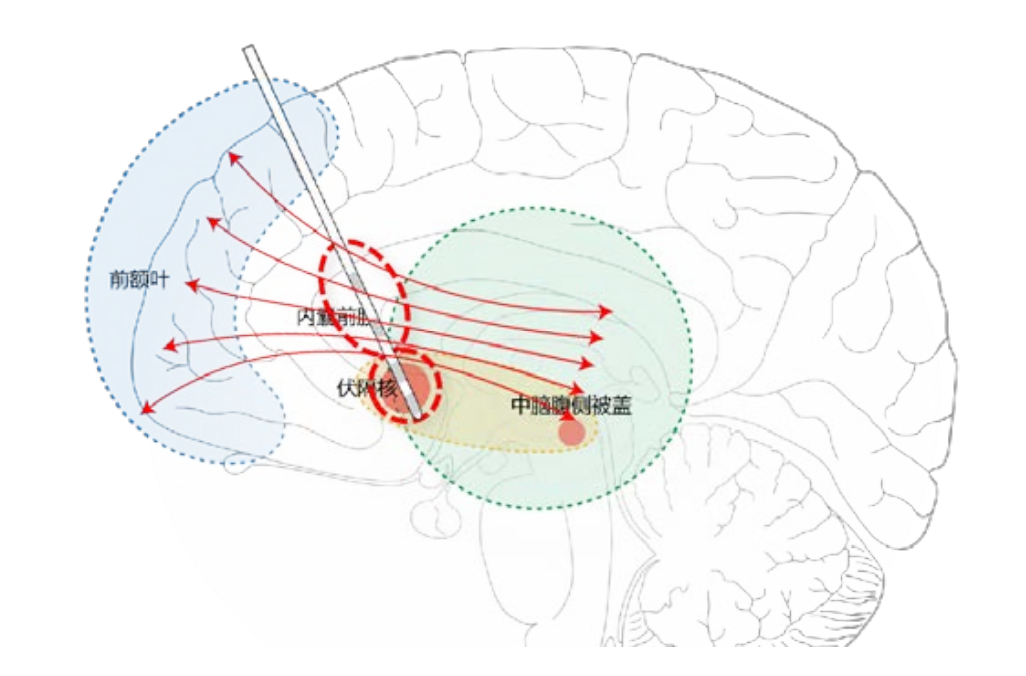
Three key systems may be affected. Reward and habit systems learn to associate drug use with intense pleasure; emotion-regulation systems can become unstable, so stopping may bring anxiety, irritability and insomnia; and prefrontal systems involved in self-control and decision-making can be weakened. As a result, a person may struggle with cues, settings or objects associated with past use even when they understand the harm.
This helps explain why physical detoxification alone may not resolve ongoing craving. Persistent craving is not proof of weak willpower; it can reflect pathological urges linked to altered brain function and may be difficult to manage without support.
3. The Harm of Addiction Extends Beyond the Body and Can Overwhelm the Whole Family
The consequences of drug addiction are never limited to one person. For the patient, long-term drug use can affect immunity, infectious-disease risk, mood and mental health, and may carry acute dangers such as poisoning or cardiac rhythm problems. For families, work and daily functioning may deteriorate, finances can be depleted, conflict can increase, and social isolation may deepen.
4. Facing the Condition and Seeking Scientific Care Are the Way Forward
The first step toward change is to set aside prejudice and self-blame. Patients do not need to feel ashamed of being ill, and families can replace accusation with care. Recognising addiction as a chronic condition that requires structured support can help people move beyond the cycle of stopping and returning to use, and toward the possibility of rebuilding daily life.