
High relapse rates remain a central challenge in addiction treatment. This article reviews abstinence outcomes, craving changes and neuro-safety observations from a single-centre exploratory study and independent long-term follow-up of dual-target DBS for refractory opioid addiction.
1. Single-centre exploratory clinical study (2014–2018)
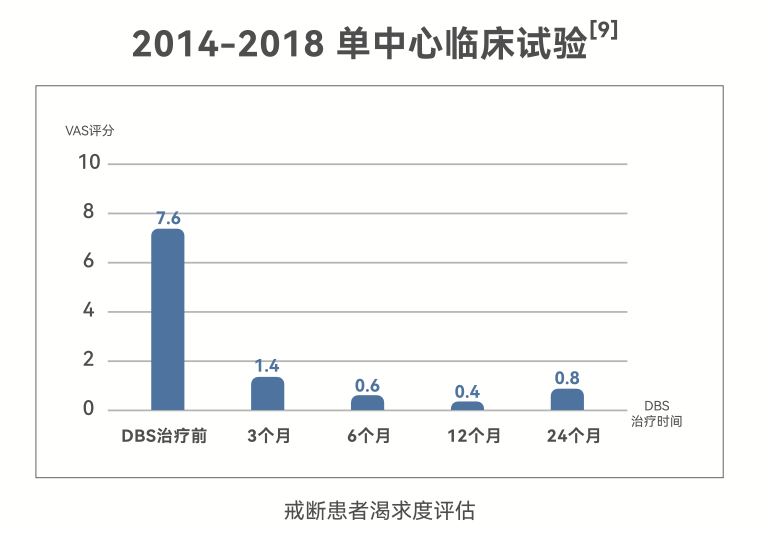
Study design
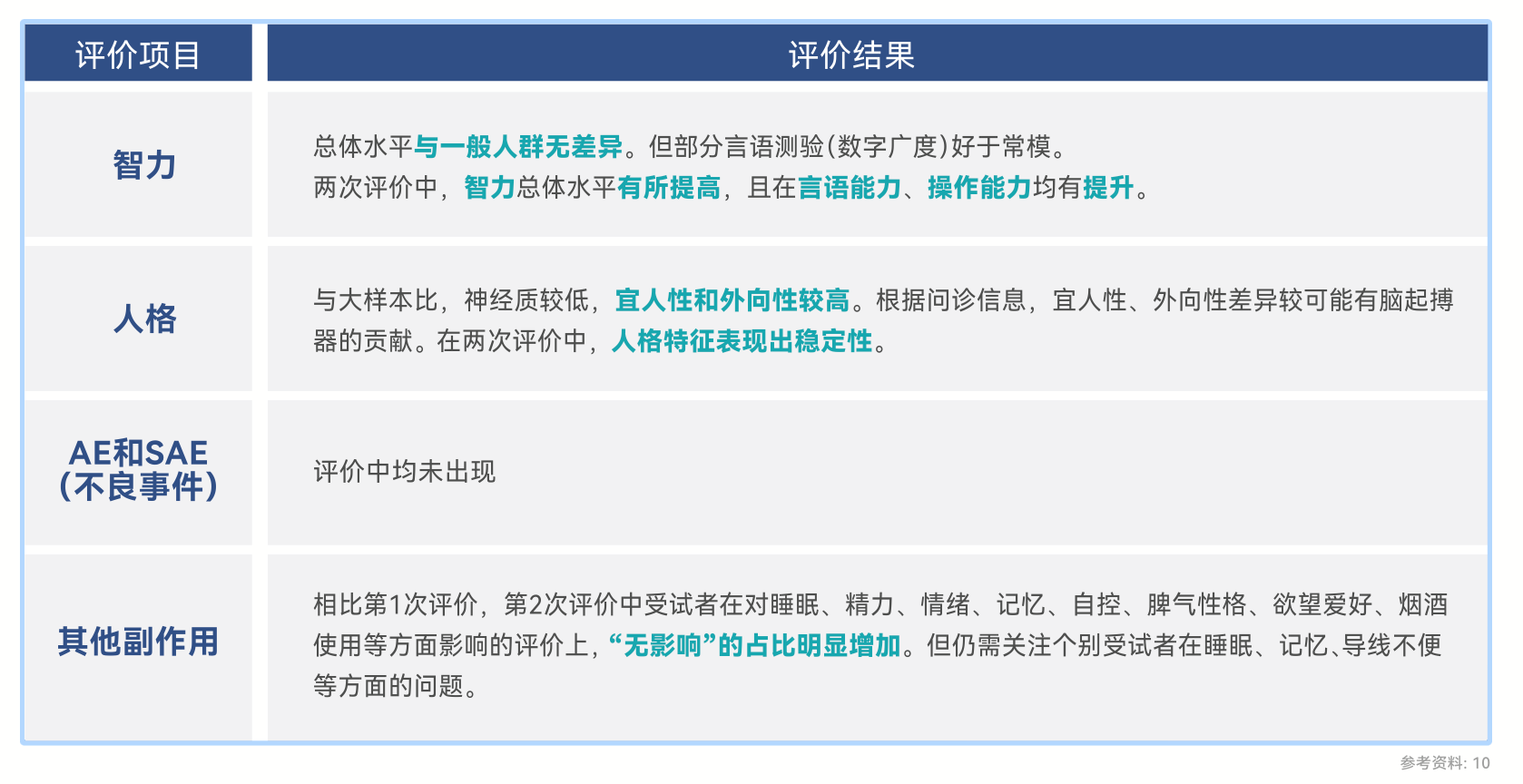
This open, single-centre pilot enrolled eight people with refractory heroin dependence who underwent NAc + ALIC dual-target DBS implantation and were followed for 24 months after activation. Relapse was defined as two consecutive weeks of positive urine testing or self-reported drug exposure at least twice per week; loss to follow-up was counted as positive.
Core findings
- At 24 months, five of eight participants maintained abstinence (62.5%).
- A very-long-term follow-up reported that seven abstinent participants had not relapsed at 10 years after surgery.
- After 3–6 months of activation, participants could report active refusal behaviour when encountering drugs or related settings.
- After 1.5–2 years, some participants maintained abstinence after stimulation was turned off or the device was removed.
Craving improvement
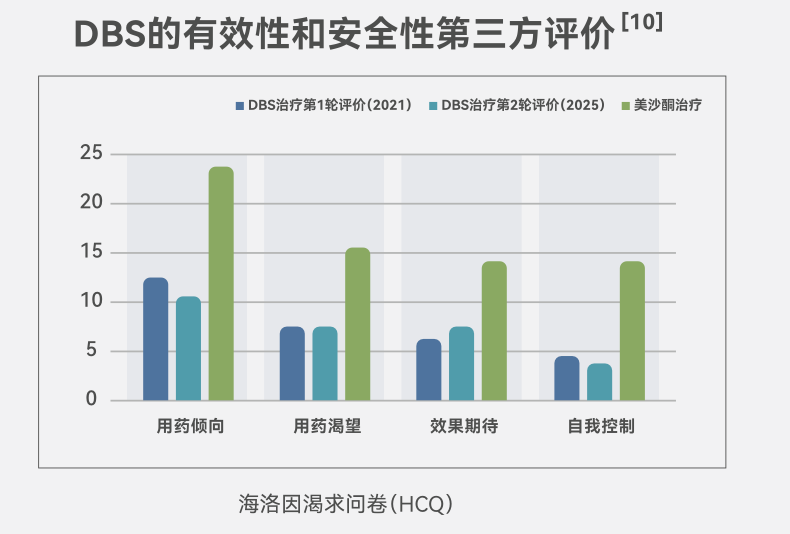
Heroin Craving Questionnaire (HCQ) assessments showed a marked decrease in craving 2–4 weeks after activation. Measures of drug-use tendency, desire and outcome expectancy declined over time; reported craving was lower than in comparison groups receiving six months of methadone maintenance or one year of conventional withdrawal.
2. Independent larger-sample long-term follow-up
From 2021 to 2025, an expert group conducted two independent evaluations of 26 DBS recipients using hair testing as the objective outcome measure; lost follow-up or refusal of testing was counted as positive.
- First round (2021): 19 of 26 evaluated; 17 hair tests were negative, for an overall abstinence rate of 65.4%.
- Second round (2025): 18 of 26 evaluated; all 18 hair tests were negative, for an overall abstinence rate of 69.2%.
The manuscript reports that abstinence rates rose steadily with longer treatment duration. HCQ and virtual-reality cue-induced craving assessments indicated low self-reported craving, gradual recovery of social functioning and high treatment acceptance.
3. Neuro-safety assessment
Independent evaluations also assessed cognition and personality. Overall cognitive function did not differ from general-population norms; some verbal-test measures, including digit span, performed above norms. Neuroticism scores were lower and agreeableness and extraversion higher than norms, with no evidence of detrimental personality change. Reported adverse effects were mainly mild implantation-site discomfort and sleep disturbance; these were described as manageable, with no serious adverse events.
4. Expert evaluation conclusion
An evaluation group involving experts from institutions including the Second Xiangya Hospital of Central South University, Ruijin Hospital and West China Hospital concluded that the implanted neurostimulation system showed meaningful effectiveness and safety signals for relapse prevention after opioid abstinence. The group noted potential benefits in maintaining abstinence, reducing craving and supporting social functioning, while emphasising long-term intervention and clinical application potential.
5. Summary
From exploratory single-centre work to independent long-term assessment, the manuscript describes stable long-term abstinence outcomes and reassuring neuro-safety observations for dual-target DBS in refractory opioid addiction. These findings support continued evidence development for people with repeated relapse.
Sources
Chen L, et al. Long-term results after deep brain stimulation of nucleus accumbens and the anterior limb of the internal capsule for preventing heroin relapse. Brain Stimulation, 2019.
Chen H. Long-term effectiveness and safety assessment of dual-target DBS for opioid addiction rehabilitation. Chinese Association of Drug Abuse Prevention and Treatment, 24th Academic Conference, 2025.