Deep brain stimulation (DBS)

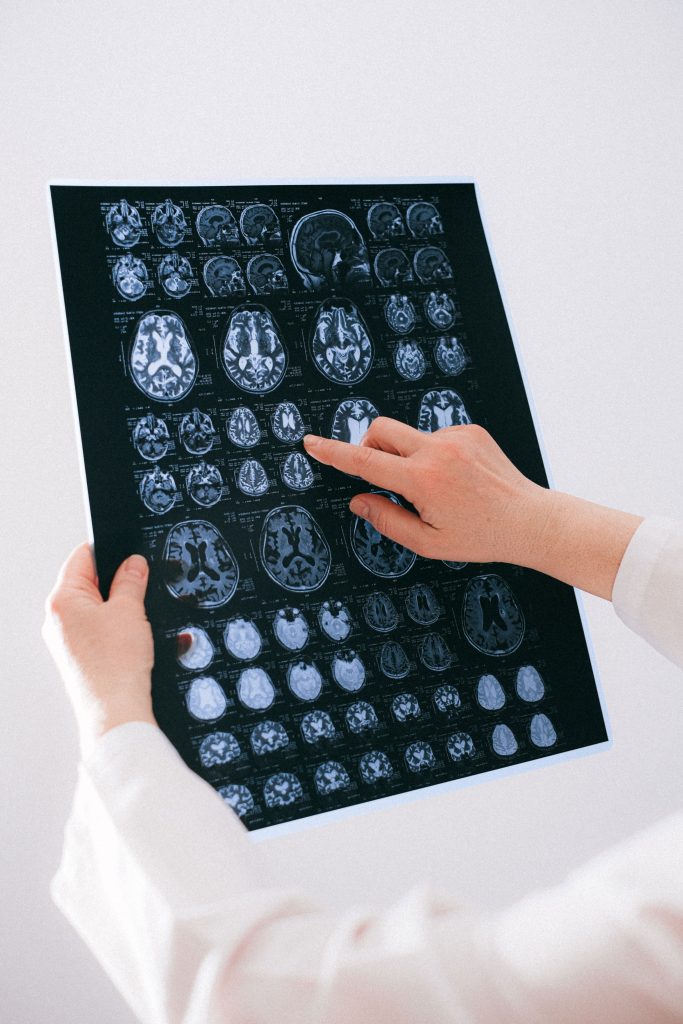
Clinician reviewing a brain scan for neuroscience care
患者科普-EN

Who May Be Considered for DBS in Addiction Care? A Guide to Candidate Assessment and Timing

Families often ask immediately whether their loved one can receive DBS. DBS is an emerging approach for severe, treatment-refractory addiction and requires careful clinical consideration; it is not appropriate for every person with addiction. Initial review may help clarify the situation, but the final decision depends on comprehensive specialist assessment.

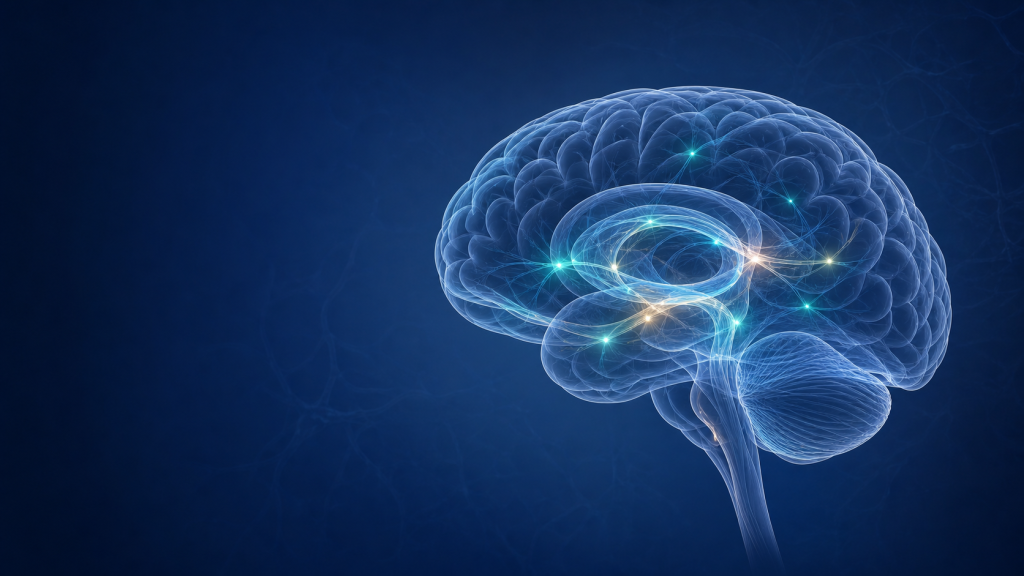
Abstract molecular network visualisation for neuroscience
患者科普-EN

Targeting Persistent Craving: Understanding the Core Principles and Potential Advantages of BCI-Enabled DBS for Drug Addiction

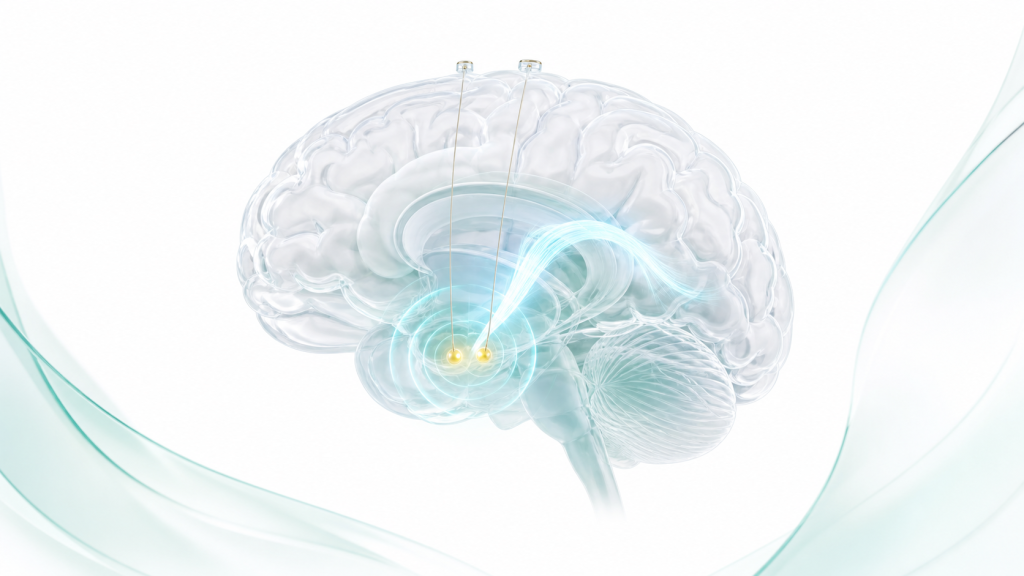
Traditional approaches often help people through physical withdrawal and may include psychological support. Yet families often remain concerned about persistent craving and the learned patterns that can contribute to repeated return to use. This is one reason researchers are exploring brain-computer-interface and deep brain stimulation (DBS) approaches.

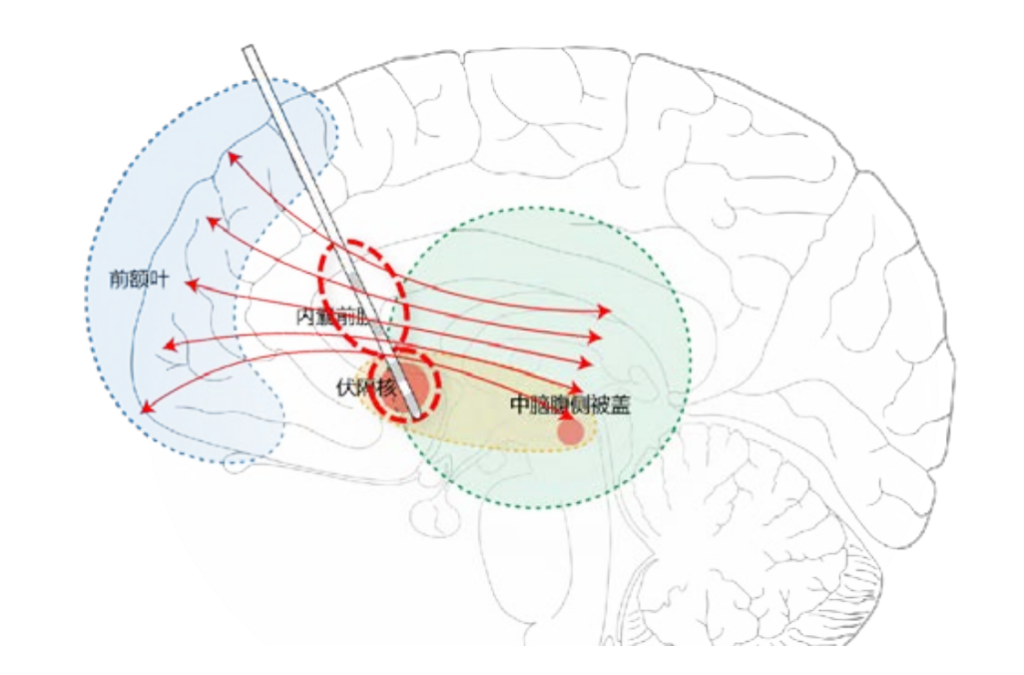
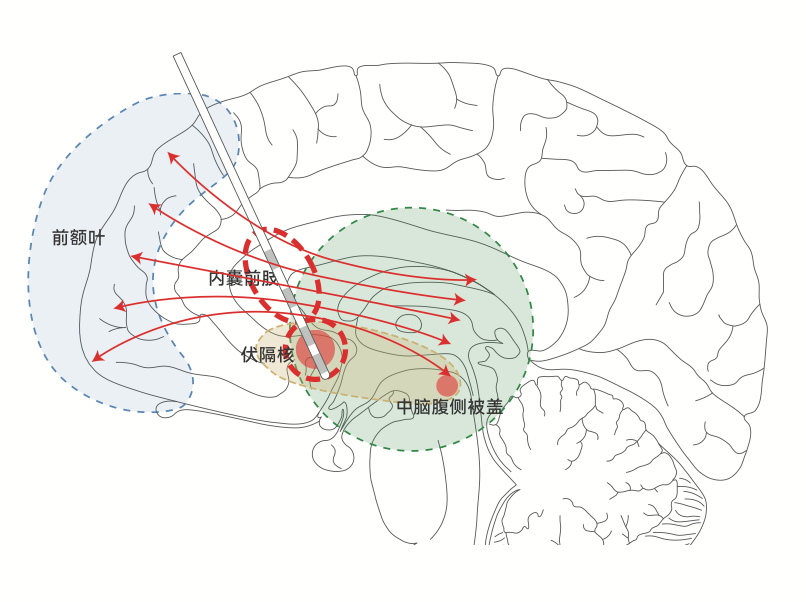
脑深部电刺激相关脑回路的教育示意图
患者科普-EN

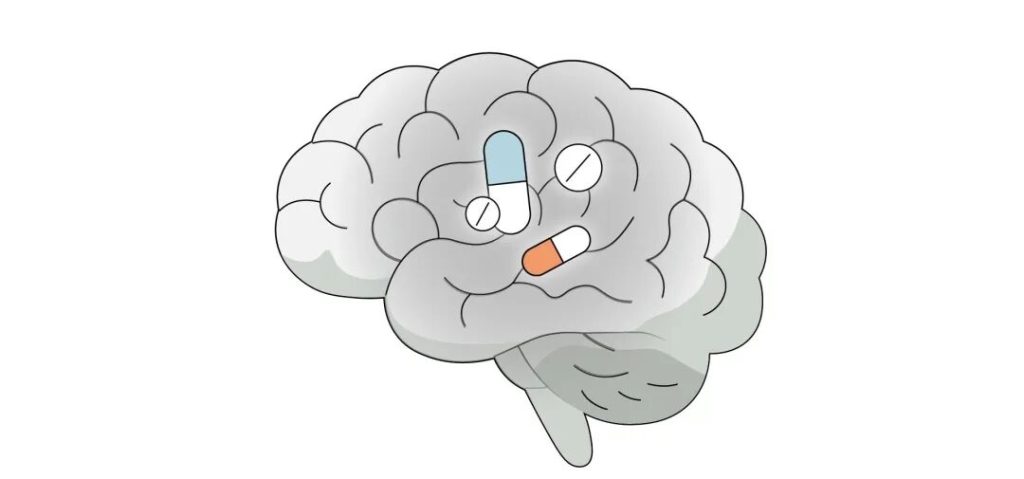
Breaking Misconceptions: Drug Addiction Is Not Weak Willpower, but a Chronic Brain Disease Requiring Scientific Treatment

When people hear “drug addiction,” many immediately think the person lacks self-control or has poor character, and that determination alone should be enough to stop. Modern medicine has long reached a clear conclusion: drug addiction is not a matter of willpower or morality. It is a chronic, relapsing brain condition, medically described as drug dependence or substance-use disorder. Compulsive drug-seeking reflects a loss of control in the brain; it is not deliberate self-destruction. Both patients and families need to make this shift in understanding.

Scroll to Top